The Rockspring investor film: the documentary that opens the meeting and became the firm's best closer.
Rockspring Capital
A private equity real estate firm competing against larger, better-known funds needed investors to understand the difference fast. The answer was a repeatable narrative and a film that opens the meeting.
of sale prices Rockspring tracked itself, in a state that keeps them secret
Rockspring brought me in, through my studio Enter360, to strengthen investor conversion in an increasingly competitive private equity market. The firm had a strong performance history and a real structural advantage in the Texas Triangle. What it did not have was a way to make either land in the first ten minutes of a meeting, where larger and better-known funds were winning on familiarity.
The situation
Texas real estate was taking in capital and people faster than anyone could track, and the Texas Triangle was drawing new private equity funds and competing capital vehicles by the month, all pitching the same investor pool. Rockspring’s track record was strong, but a track record is what every fund leads with. Investor conversations were getting longer. Turning an interested prospect into a funded investor was getting harder. And the firm’s messaging was built on performance, which from the outside made it look like everyone else.
The diagnosis
My executive interviews, the competitive analysis, and the time I spent inside the firm all pointed to the same gap. Rockspring’s pitch told investors what it had earned, but not why. A track record says what happened. It cannot promise it will happen again.
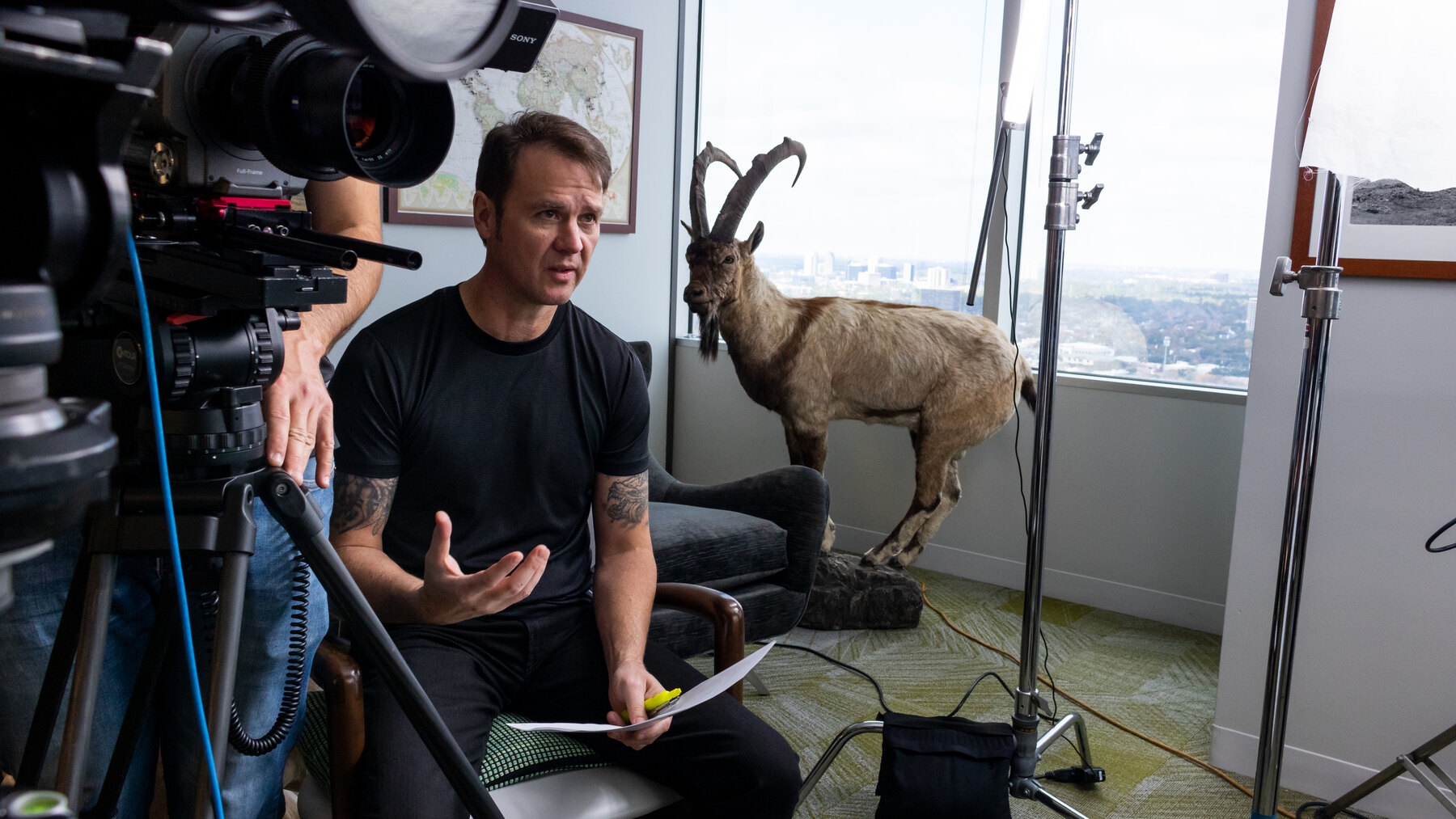
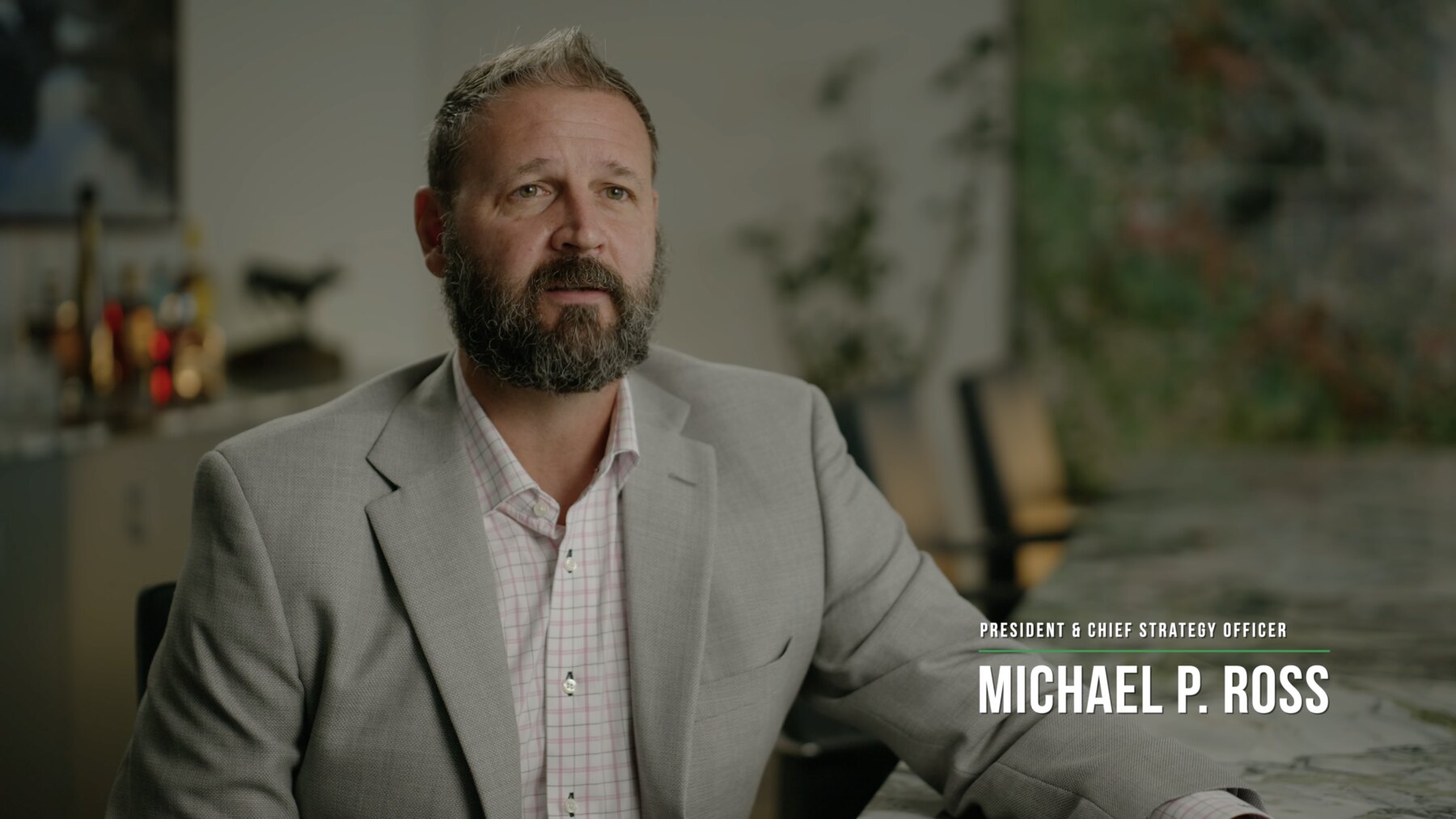
The why surfaced late. It had not come up in the research or in any of the principal interviews. It came out during the CEO’s on-camera interview, almost in passing. For twenty-five years, Rockspring had been tracking every commercial and industrial sale it could find in its market. Listings it saw were logged. Its own sales went in with the final number. When someone else sold a property, Rockspring called the other broker and asked what it went for, and often got an answer.
In most states that would be unremarkable, because sale prices are public record. In Texas they are not. Texas is a non-disclosure state: the price does not have to be recorded anywhere public, there is no transfer tax to give it away, and the deed usually says “ten dollars and other good and valuable consideration.” That leaves almost everyone guessing. The landowner does not know what to ask, and often neither does the broker. The developer or investor does not know what to pay. With no real comparables, a property is worth whatever one buyer will pay and one seller will accept on a given day, and few buyers have any real way to know whether they are making a safe investment. Rockspring did. When a property came to market, it knew whether buying it meant buying below market. When a property was not for sale, it could go straight to the owner knowing what a good deal looked like. Rockspring made its money on the buy.
Leadership knew the records mattered for buying. No one had seen them as the reason investors should trust the firm. I refocused the interview on the spot, rebuilt the investment thesis around the system, and made it the cornerstone of the film: a trust-first story built on proof of where the returns come from, instead of a promise that they will continue.
The film that opens the meeting
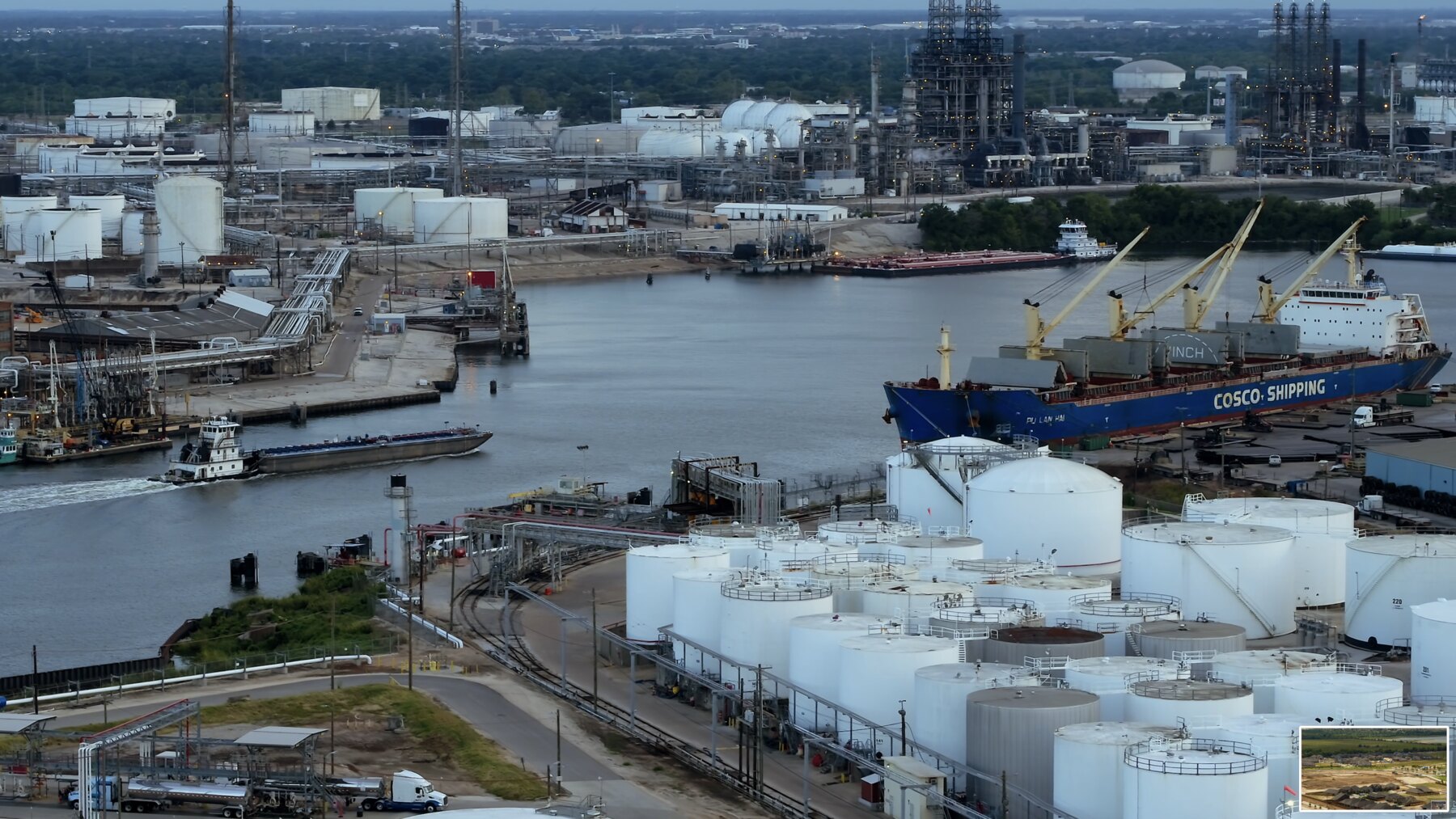
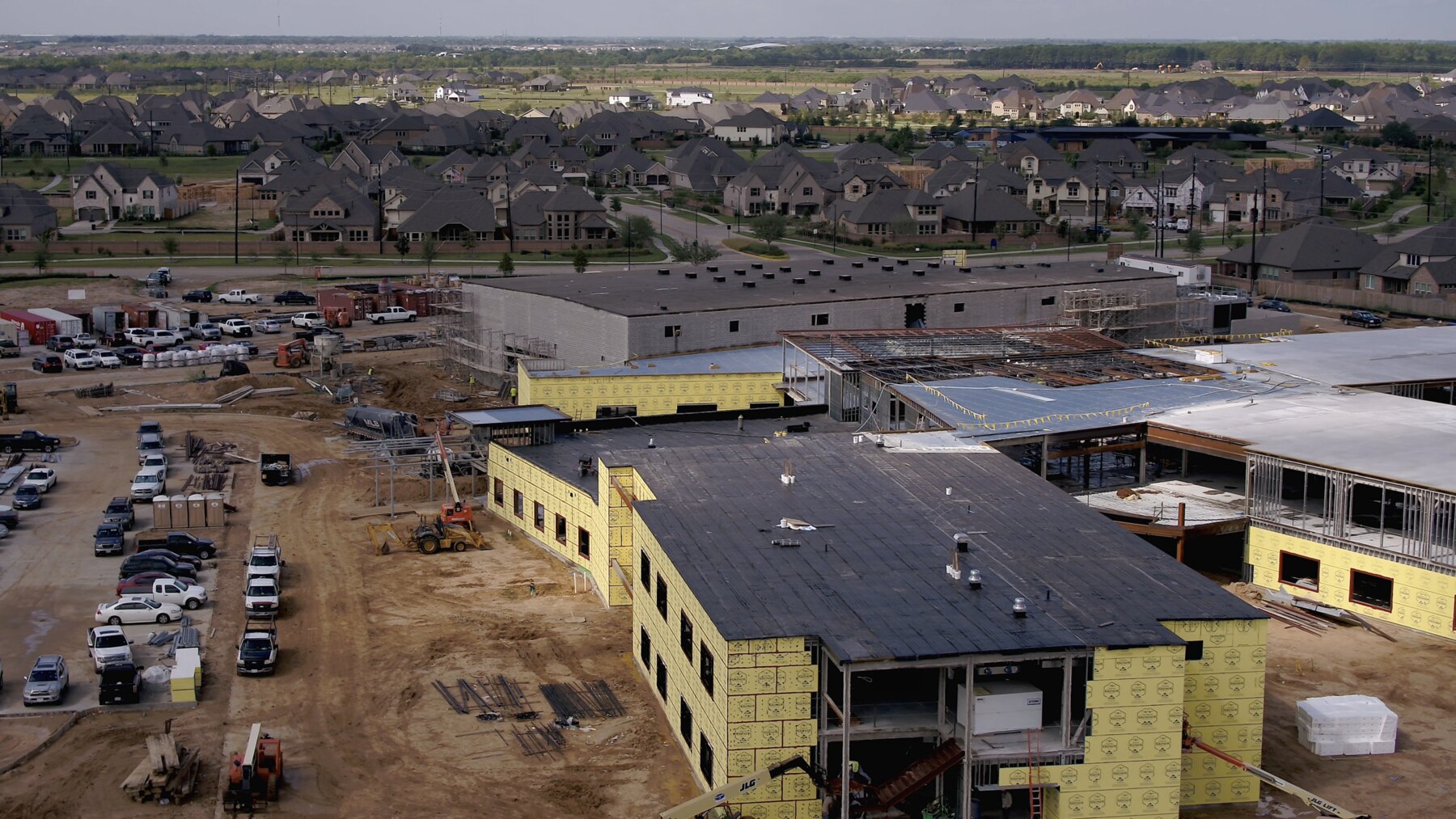
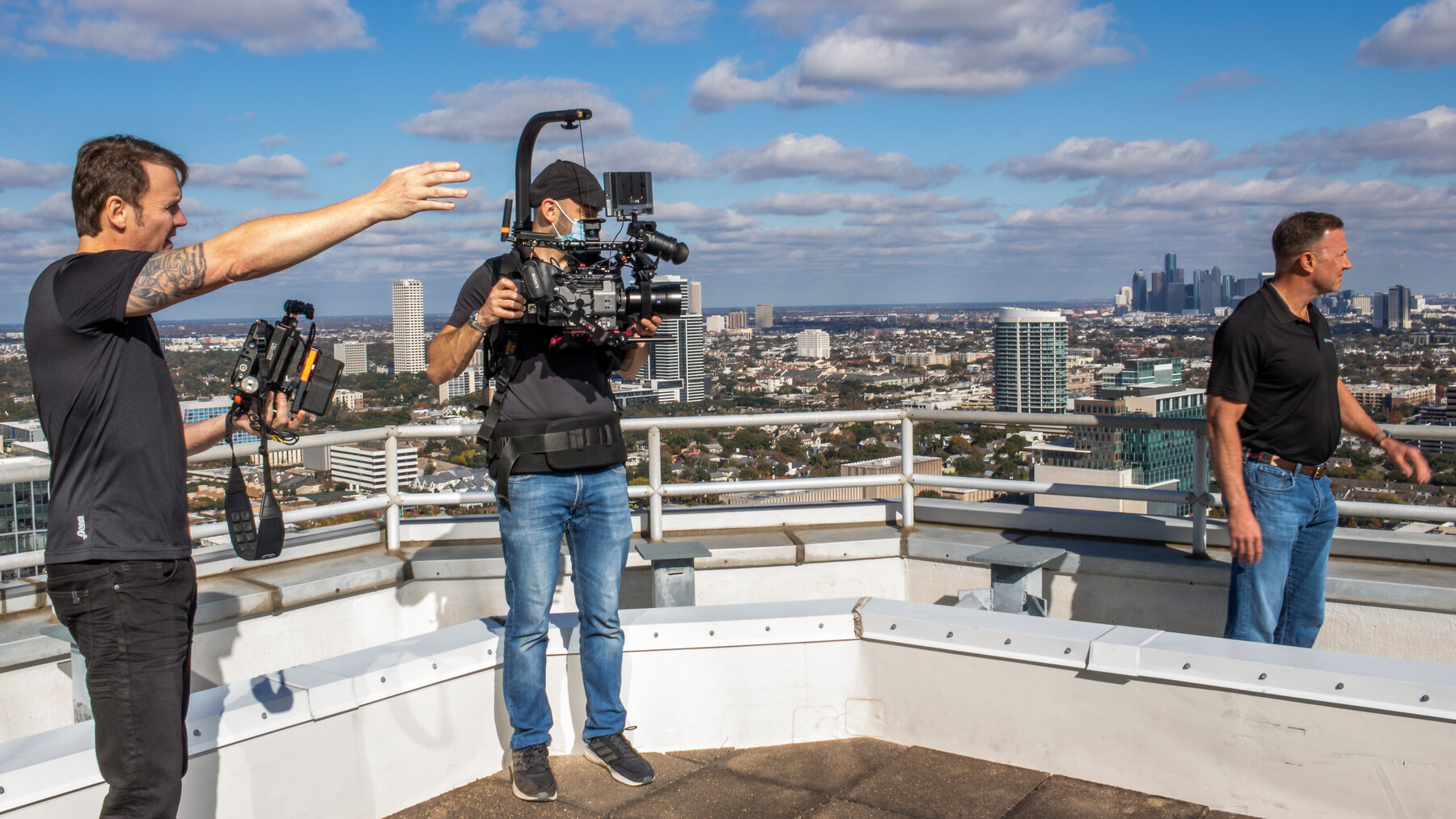
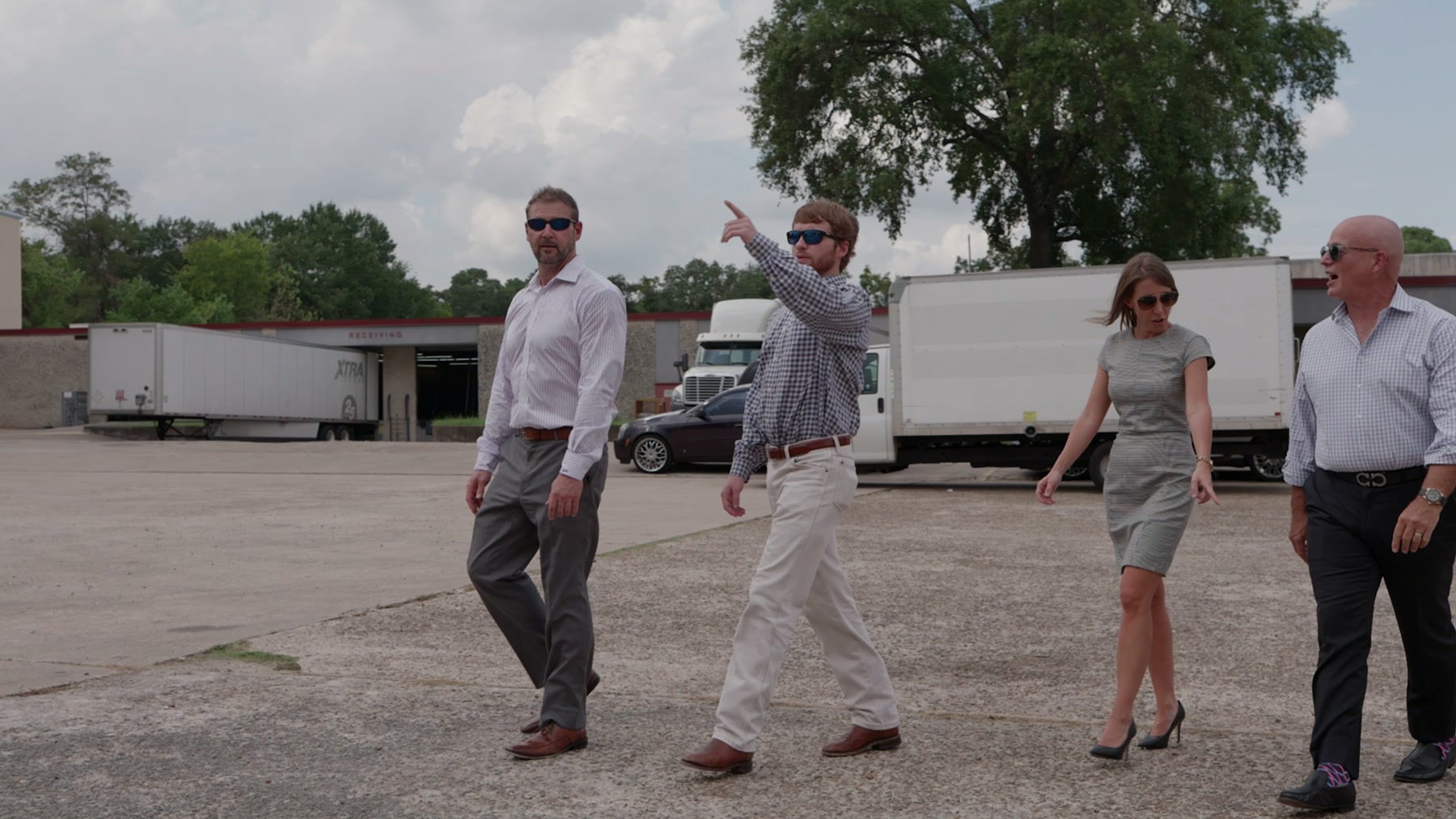
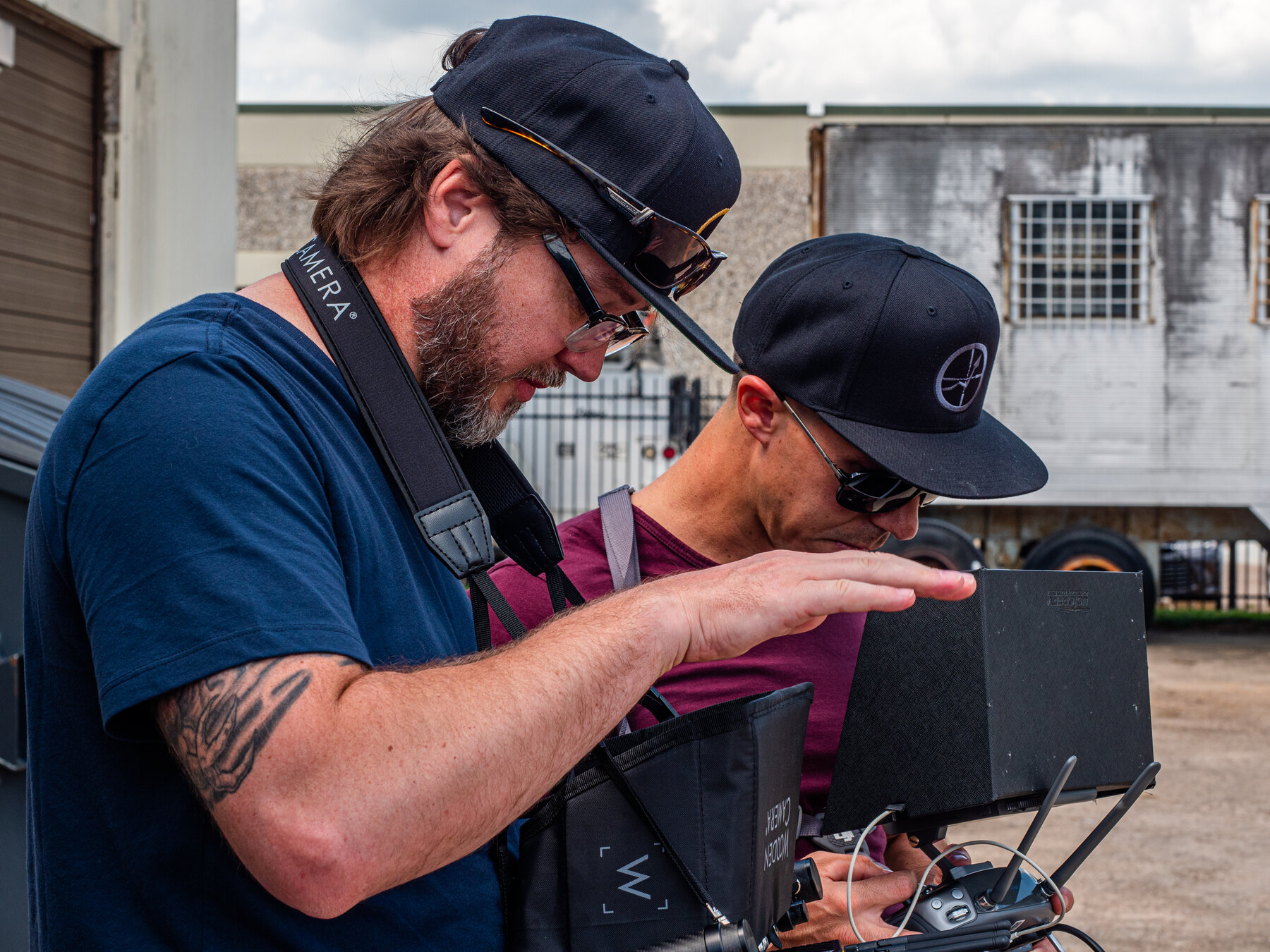
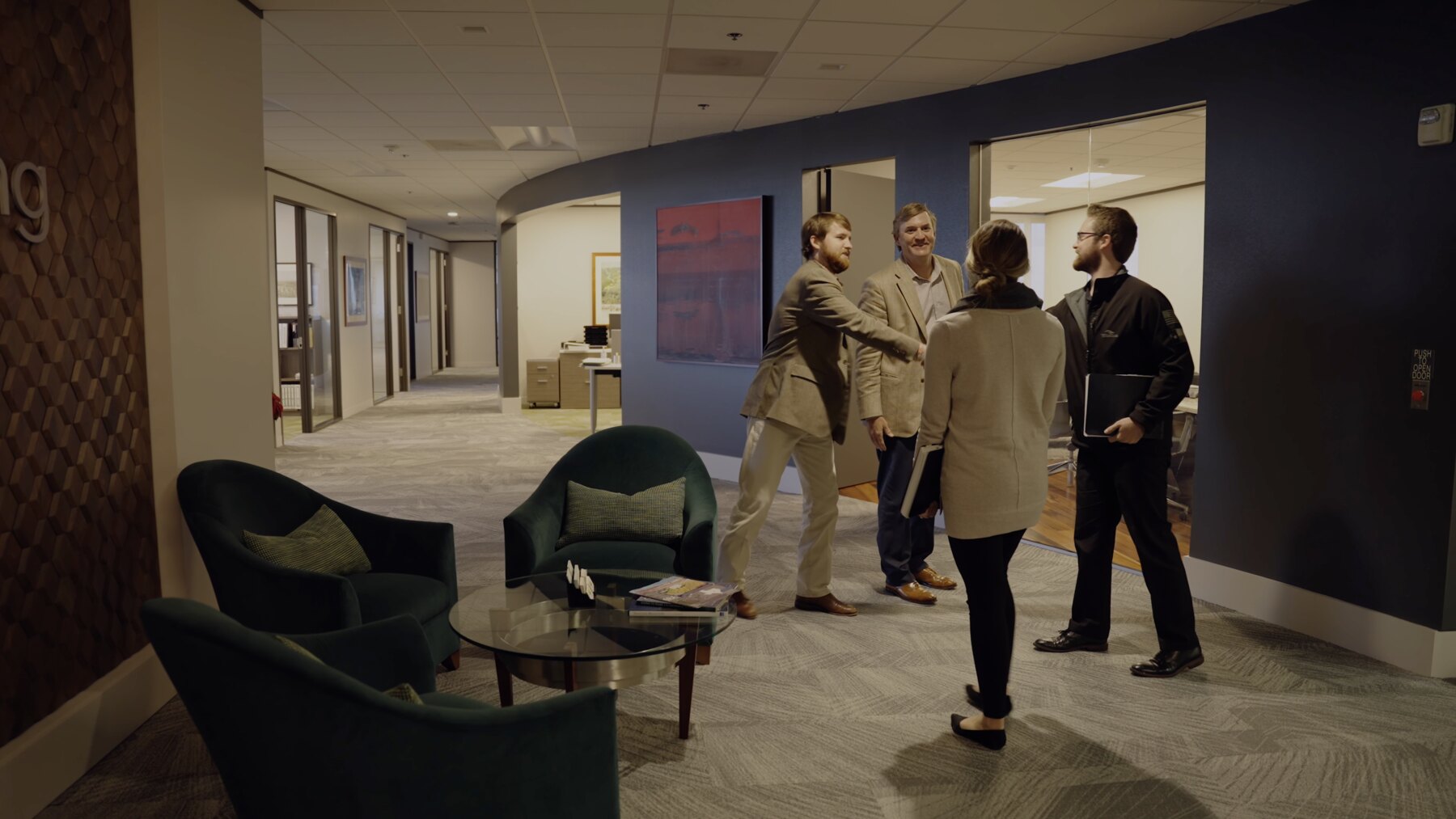
I directed an investor film, shot across Houston from rooftops and from the air, that explains that edge in under four minutes. It traveled ahead of meetings and set the terms of the conversation before the deck came out. When an investor had not seen it, it was short enough to play in the meeting itself, on a laptop turned around on the table or on the conference room TV. I aligned the presentation materials to the same narrative so the story stayed consistent whoever was presenting. The website followed the brand refresh: rebuilt around the film and the visual assets from the project, so the site tells the same story the film tells.

The result
Rockspring stopped leading with returns and started leading with how it buys, and investors responded. Those who saw the film ahead of a meeting arrived already understanding the firm’s edge and trusting the way it bought. Those who had not seen it watched it in the room, and in many of those meetings the response was some version of “say no more, here’s the check.” Commitments came faster.
Next to larger, better-known funds, Rockspring came across as the disciplined buyer, with twenty-five years of its own sales records behind it. Leadership walked into investor conversations clearer and more confident, with the film, the website, and the presentation all making the same case whoever was presenting. The narrative and presentation system were built for the firm to run on its own, for the raise in front of it and the ones after.
Why it worked
Everyone pitching the same investors leads with returns and a track record, so from the investor’s side of the table they start to look alike. A big name gets you the meeting but not always the commitment. A smaller one has to fight for the meeting first. Either way, raises take longer than they should.
Often the advantage that would change that already exists inside the firm, in the deal data, the buying discipline, the way the team actually works. It just never reaches investors, because in many cases, the firm doesn’t even understand what it has. I find it, then exploit it. With my team, I build the positioning, the film, the visual assets, the website, and the investor materials that put it in front of them, before the meeting or right there at the table. It worked the same way at EPI Construction, where advantages the firm already had, and was not using, became a turnaround that doubled gross profit.



"[Enter360] did extensive research to understand our private equity real estate platform, then distilled it into a meaningful marketing strategy and an exceptional corporate video. [Their] professionalism and technical expertise far exceeded our expectations."
Jim McAlister, CEO, Rockspring