Umbilical Software
A pre-Shopify ecommerce platform that turned one client's legacy-system bottleneck into a scalable commercial product.
A pre-Shopify ecommerce platform that turned one client’s legacy-system bottleneck into a scalable commercial product. Built to replace a hosted storefront that buckled under load, it re-hosted the client on their own servers, won real search visibility with custom URL rewriting, moved order management to the web, and productized recurring retail problems into paid modules: pricing, social proof, used inventory, community, and cross-sell.
Through Enter360, I financed and led seven years of development. The first 18-month phase replaced SWFA’s storefront and took its online sales from $67,000 to $3 million a month. I kept building from there, adding modules and the full front and back end, which also ran SWFA’s expansion into brick-and-mortar and its own direct-to-consumer line, and commercializing it in two editions: one that plugged into the back office of Mail Order Manager as a SiteLINK alternative, and a standalone enterprise system for retailers who did not run Mail Order Manager at all. Then I sold it. Read the SWFA case study.
The technology
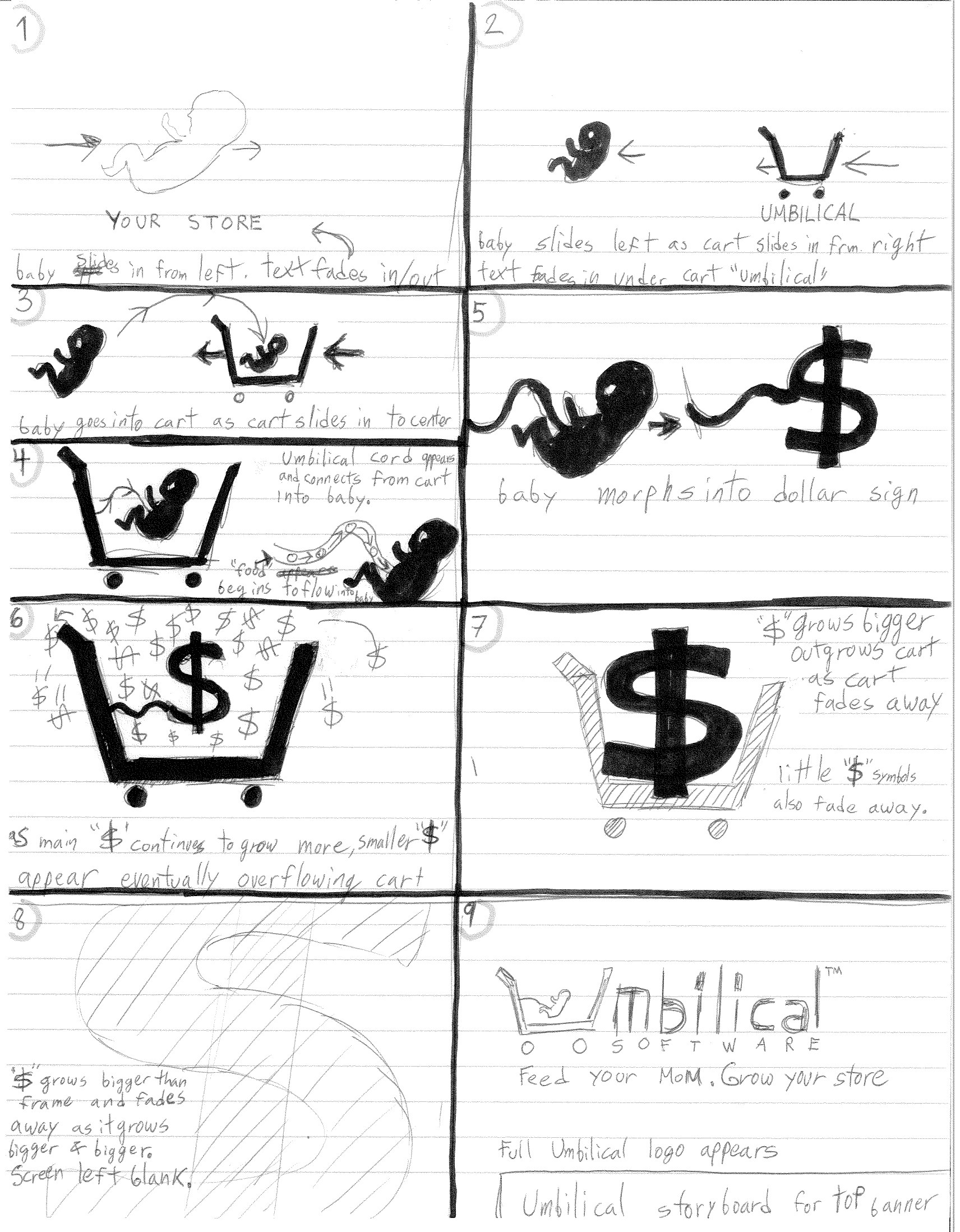
When I started, SWFA’s store ran on classic ASP pages over a FoxPro database that was constantly breaking, tied to an old, outdated Mail Order Manager back office. My team converted it to an enterprise stack: ASP.NET, C#, Java, C++ and MS SQL. Every module installed or uninstalled on its own, and the platform could talk to Mail Order Manager three ways: as a web application, a Windows application, or a web service.
Two editions
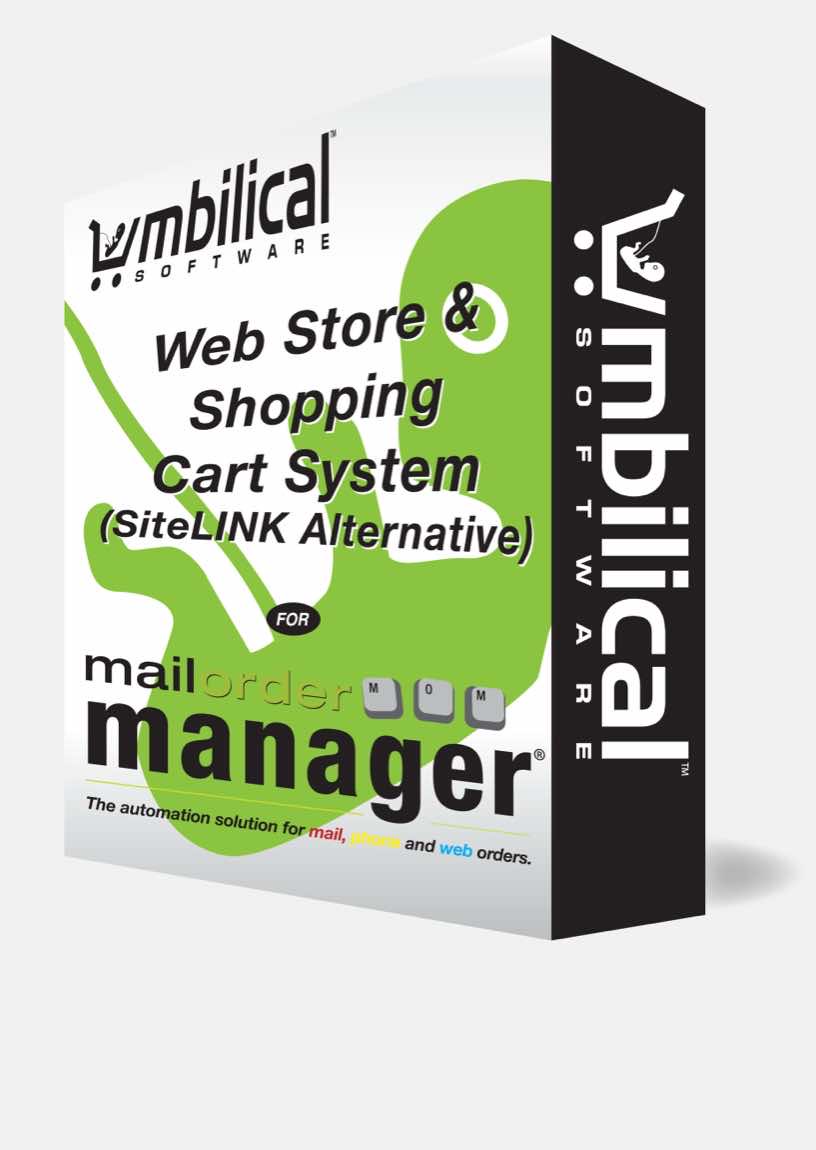
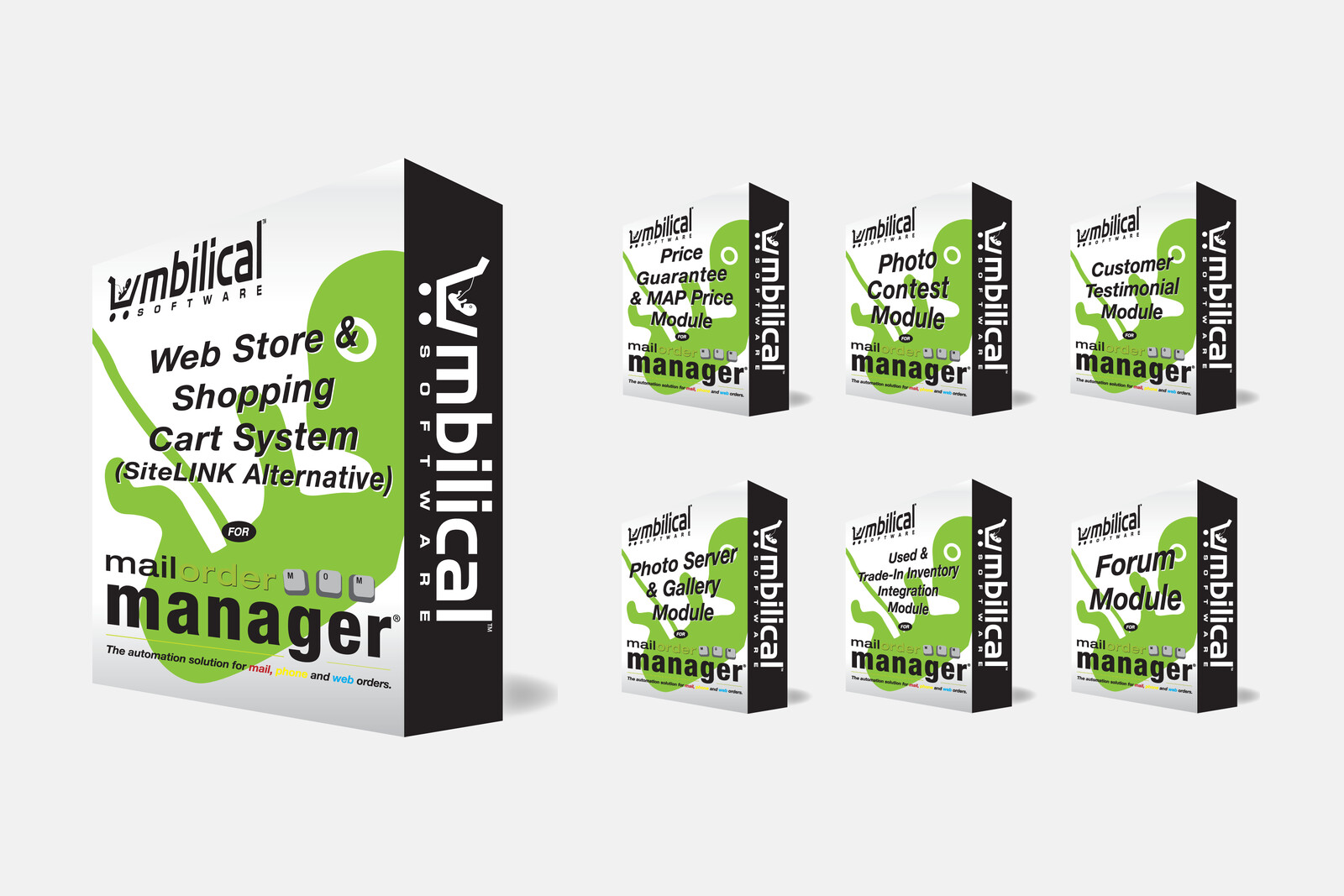
For Mail Order Manager. Mail Order Manager ran the back office for an estimated 10,000 mail-order and catalog companies, and its SiteLINK storefront held many of them back. The first edition plugged straight into Mail Order Manager as a SiteLINK alternative. Retailers kept the back office they depended on and got a faster, customizable, search-friendly storefront, their orders on the web, and a path off the old system whenever they were ready.
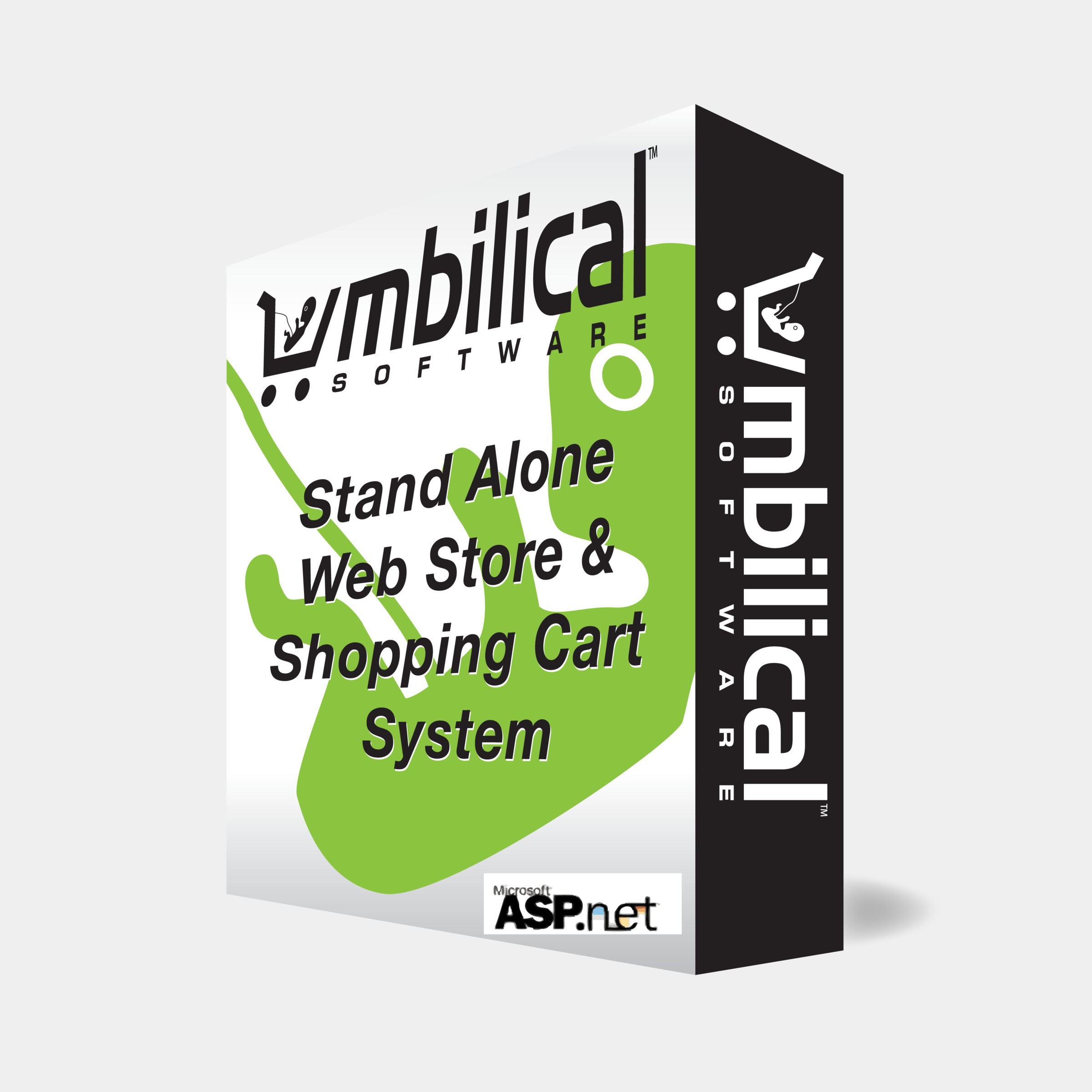
Standalone. Once the integration was proven, I expanded Umbilical into a standalone enterprise ecommerce platform, storefront and back office, for any retailer on any platform. It served companies moving both their front end and their back end off Mail Order Manager, and companies starting from scratch that needed enterprise ecommerce from day one.

The modules
Each one started as a real retail problem.
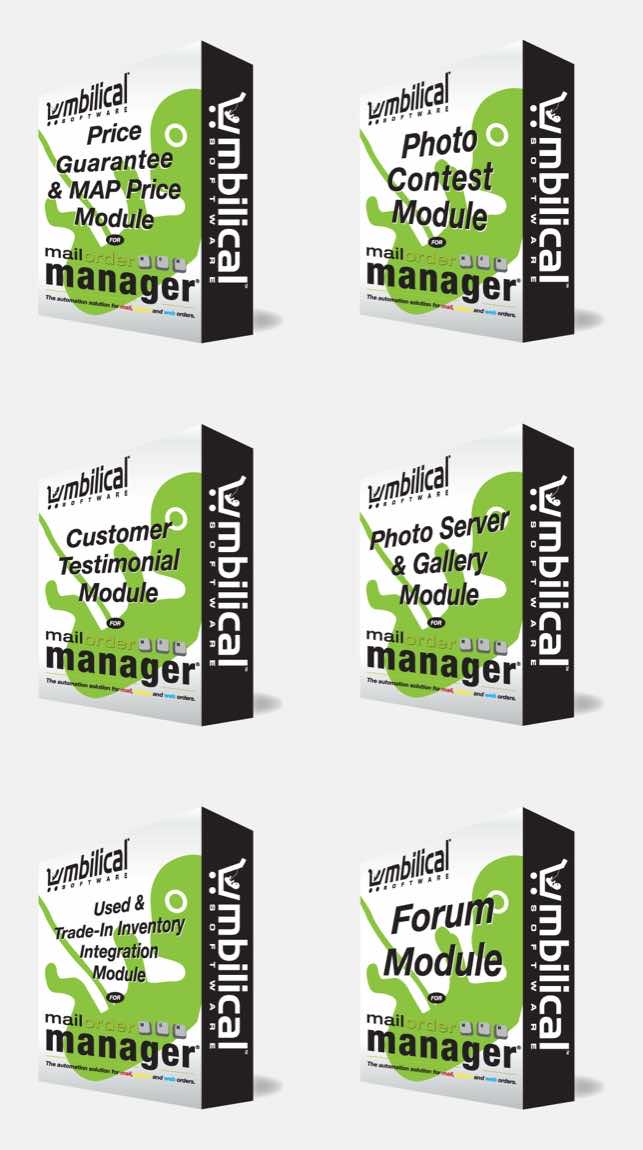
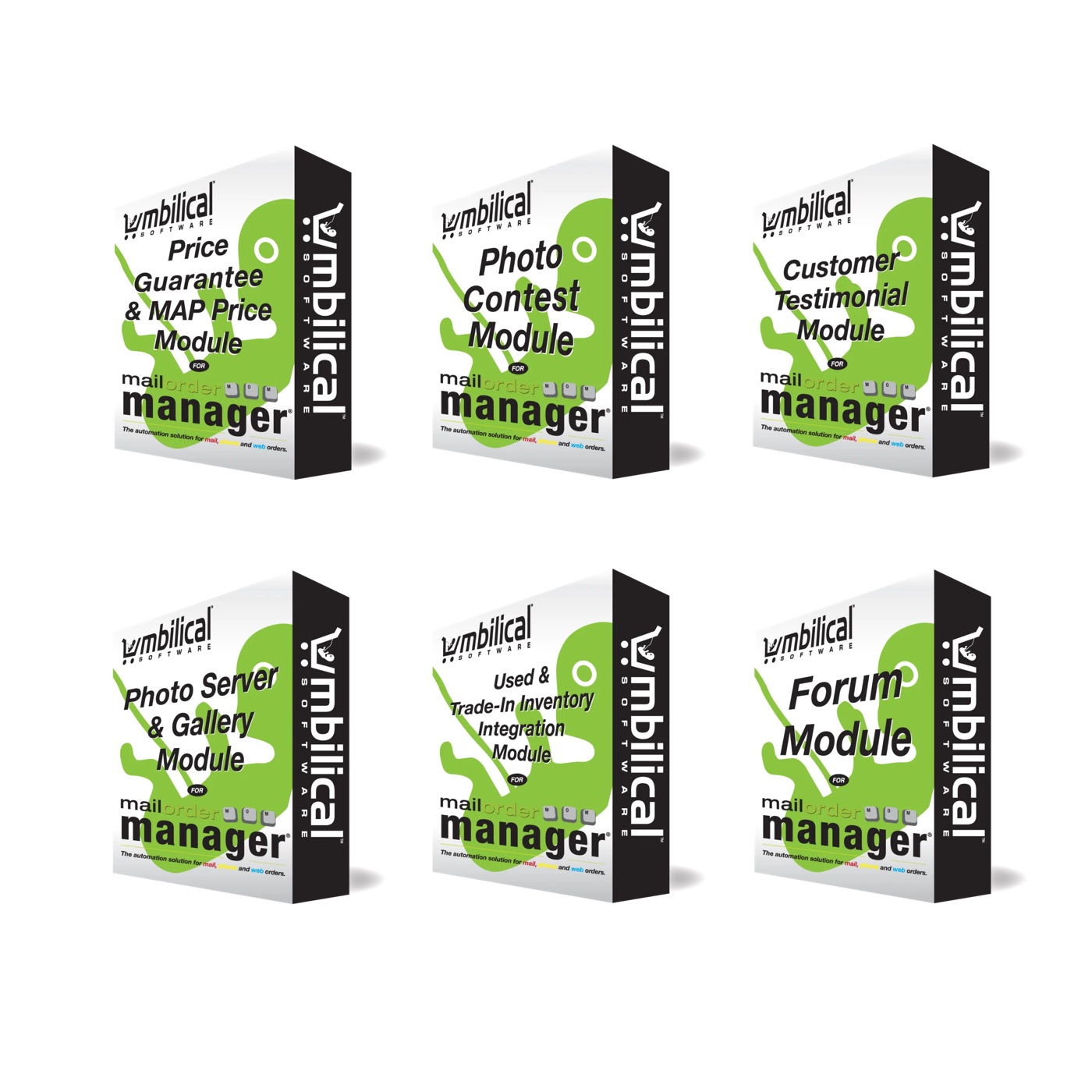
- Price-match intelligence. A 110 percent low-price guarantee. Customers submitted lower prices with a link, and the system verified them. The owner stopped policing competitor sites by hand, and the customers became a self-running price-intelligence network.
- Photo contest. Customers uploaded field photos tagged to the exact product, with a story, and voted. It cured a chronic shortage of real imagery for the site and the catalogs, and manufacturers funded the prizes and bought the ad space around it.
- Customer testimonials. Context-aware social proof: shoppers saw testimonials for the category, brand, or model they were looking at, with no manual merchandising. Years before Google Reviews.
- Photo server and gallery. The hosting and gallery engine under the contest and the testimonials, so a large and growing library never dragged the site down.
- Used and trade-in inventory. A second storefront built around an appraisal engine that tracked every offer, every sale, and days to sell. One expert’s intuition became a database any staffer could use.
- Community forum. An owned forum for gear and optics talk. Repeat traffic, organic search content, and a captive audience to cross-sell.
- Cross-sell. Related products, accessories, and variants in the cart at the moment of purchase. Higher order value with no added ad spend.